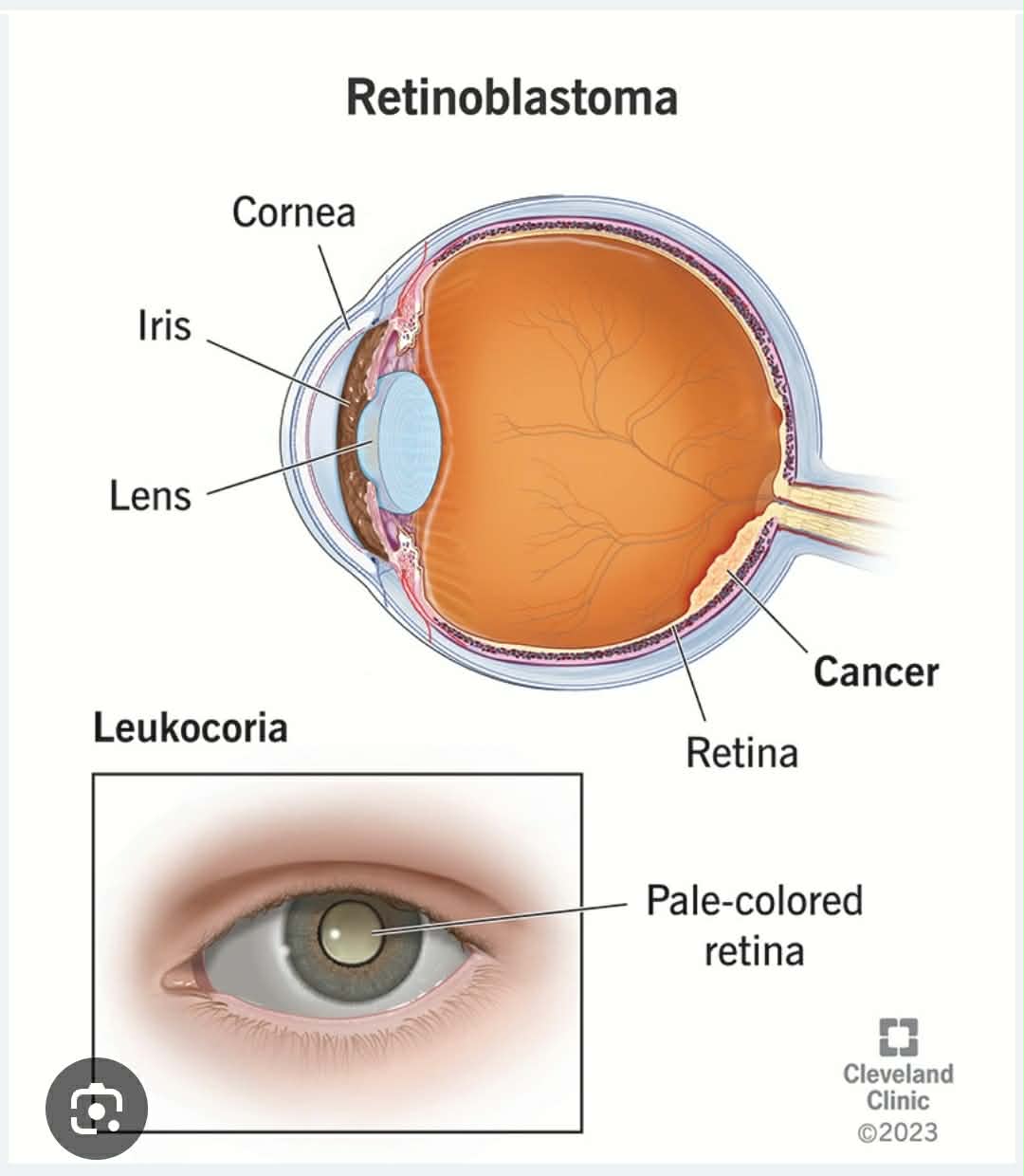
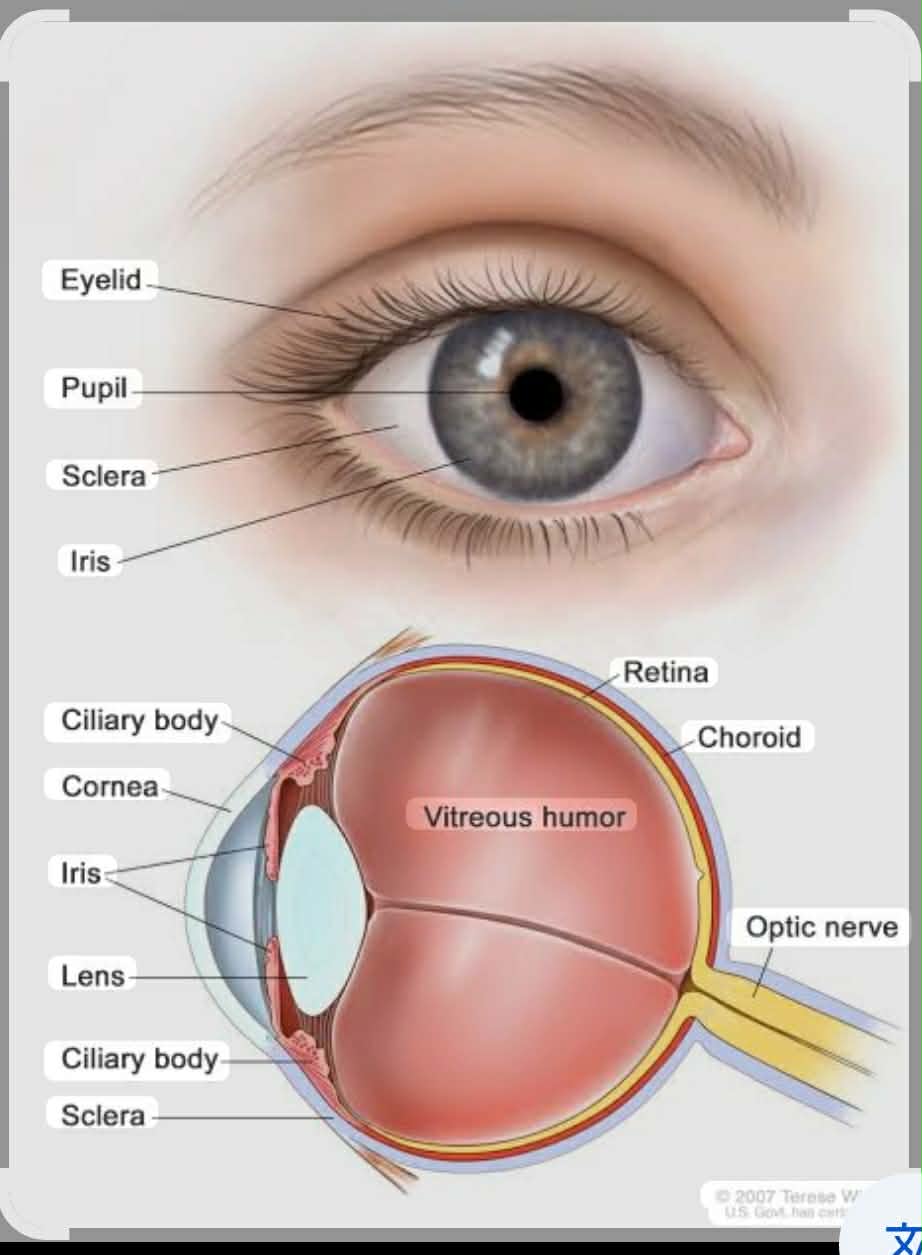
‘Retino’ means from the retina, the inner layer in the back of the eye
‘Blast’ means cells in an early stage of development
‘Oma’ means a group of cells, or a tumour
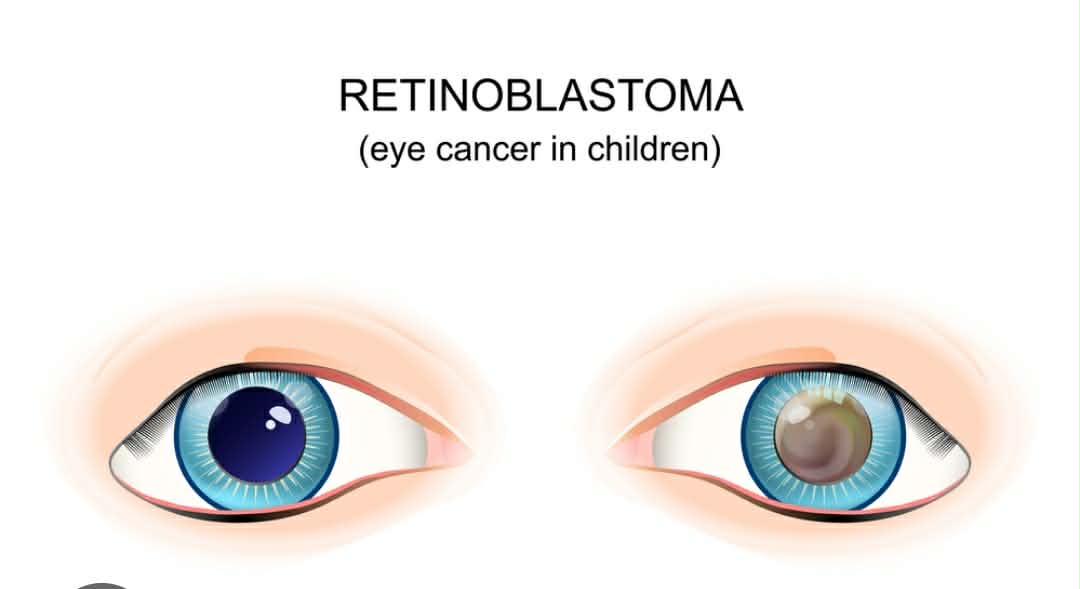
Retinoblastoma in one eye is called unilateral retinoblastoma. Bilateral retinoblastoma means it is in both eyes.
Its and aggressive form cancer that starts in the retina, the light-sensitive tissue at the back of the eye, usually affecting children under age five, though it’s highly treatable with early detection. It can appear in one or both eyes and often presents as a white glow (leukocoria) in the pupil or a squint (strabismus) and it can be linked to inherited genetic mutations or occur spontaneously.
Although this rare form of cancer affects children mostly under the age 5 it can rarely affects adults.
It often involves mutations in the RB1 gene, which can be inherited or happen in the developing baby.
There are 2 types – one eye (unilateral) or both (bilateral).
The cancer affects around 40 children a year in the UK
Children with retinoblastoma in both eyes are usually diagnosed in the first year of life. Those with retinoblastoma in one eye tend to be diagnosed a bit later, around 2 years.
A diagnosis of retinoblastoma can be very distressing and frightening for the child and their parents. But it has the highest survival of any children’s cancer in the UK. Almost 99 to 100 out of every 100 children (almost 99 to 100%) survive for 5 years or more after they are diagnosed
*Please if you are worried about these or any other treatments speak to you GP. the above symptoms are not to diagnose and medical attention should be sought
Intraocular Retinoblastoma
The cancer is only within the eye and has not spread. Your child’s specialist puts the cancer into one of several groups. They name them from A to E. Cancers in group A are very low risk. Those in group E are the highest risk group. Doctors diagnose most children with intraocular retinoblastoma.
Extraocular retinoblastoma
The cancer has spread beyond the eye and into the tissues surrounding it. It might have spread to another part of the body. In the UK this is rare. There are different treatments available for retinoblastoma. The treatment your child has will depend on several factors such as their stage and risk group.
✓ Freezing therapy (cryotherapy)
✓ Laser therapy
✓ Chemotherapy
✓ Radiotherapy
✓ Surgery
Early diagnosis is crucial for successful treatment and preserving vision. Remember if you have any worries at all speak to your GP immediately.
Need help? Our team is just a message away